Ayurveda books in PDF, from your first look at the doshas to the classical texts that started it all. Here you'll find free guides on Vata, Pitta and Kapha, Ayurvedic herbs, diet and the medicine of ancient India.
This collection goes straight to the sources. You get English translations of the Charaka Samhita and the Sushruta Samhita, the official Ayurvedic Pharmacopoeia of India and the WHO's standard terminology on Ayurveda.
Every book is free to read online or download, with no sign-up. If you're new to Ayurveda, start with the beginner books and move on to the textbooks when you're ready.
📚
Download every Ayurveda book on this page
All the books on this page in one ZIP file, instead of downloading them one by one.
We will redirect you to accounts.google.com to complete sign-in.
Email and name only · We never send spam
Access unlocked
Download every Ayurveda book on this page
All the books on this page in one ZIP file, instead of downloading them one by one.
Direct download · One ZIP file
Download started. Check your downloads folder for the ZIP.
Beginners
Ayurveda Books for Beginners
These Ayurveda books for beginners are the easiest place to start. They explain Vata, Pitta and Kapha, and give you a simple daily routine for each dosha.
A complete overview of Ayurveda: its history, the five elements, the three doshas, diagnosis, daily and seasonal routines, Panchakarma and the eight branches of Ayurvedic medicine. Clear, well illustrated and written for readers coming to Ayurveda for the first time.
A friendly introduction to Ayurveda by a physician: what it is, how to find your constitution (prakriti) and current imbalances (vikriti), and how daily habits keep Vata, Pitta and Kapha in balance. Includes a short glossary of key Sanskrit terms.
A visual guide to the three doshas: what Vata, Pitta and Kapha govern in body and mind, how to recognise when one is out of balance, and the diet, routine and lifestyle measures that bring each back into harmony.
A short, illustrated first step into Ayurveda covering the five elements, the doshas, the gunas, agni and how to start applying these ideas to food and daily life.
A concise book on the philosophy and practice of Ayurveda from a spiritual teacher: the meaning of health, the doshas, the role of diet and conduct, and why prevention comes before cure.
Traces Ayurveda from the Vedas to Charaka, Sushruta and Vagbhata, then turns practical with body type questionnaires, food charts for each dosha and the food combinations Ayurveda advises against.
A step by step daily routine to balance Vata dosha, from waking time and self massage with warm oil to meals, movement and bedtime habits that bring warmth, rest and stability.
A daily routine to cool and calm Pitta dosha, with practical advice on morning rituals, cooling foods, moderate exercise and ways to unwind the intensity that builds up during the day.
A daily routine to lighten and energise Kapha dosha: early rising, dry massage, invigorating exercise, light warm meals and habits that keep heaviness and sluggishness away.
These Ayurvedic textbooks include the Charaka Samhita and the Sushruta Samhita, translated from Sanskrit into English. Next to them you'll find modern references on Ayurvedic physiology, clinical research and terminology.
The first volume of the classic English translation of the Sushruta Samhita, the founding text of Ayurvedic surgery. It contains the Sutrasthanam, with chapters on training surgeons, surgical instruments, wounds, diet and the qualities of drugs, plus an extensive introduction.
The first book of the Charaka Samhita, the oldest and most authoritative text of Ayurvedic internal medicine, in its classic English translation. Its thirty lessons cover the aims of medicine, the qualities of a good physician, diet, daily and seasonal regimens, the doshas and the classification of drugs.
A clinical reference that summarises research on Ayurvedic treatments for common conditions such as diabetes, arthritis, obesity and skin diseases, with the formulations tested, the protocols used and the outcomes reported.
Central Council for Research in Ayurvedic Sciences
A scholarly study of how the bones of the human body are described in the classical medical texts of ancient India, comparing the accounts of Charaka, Sushruta and Vagbhata with modern anatomy.
One of the first full accounts of Ayurveda written in English, covering the history of medicine in ancient India, anatomy, the causes and diagnosis of disease, surgery and the materia medica of the classical texts.
An academic chapter that explains how Ayurveda understands the body: the doshas, the seven dhatus or tissues, the srotas or channels and agni, set side by side with the concepts of modern physiology.
The WHO reference that standardises more than 3,500 Ayurvedic terms, each with its Sanskrit original, transliteration, English equivalent and definition. A key tool for students, translators and practitioners.
These Ayurvedic herbs books include the official Pharmacopoeia of India and classic studies of Indian medicinal plants. Use them to learn what each herb does, how it's prepared and the right dose.
The official monographs for 80 single herbs used in Ayurveda, including ashwagandha, amalaki, bibhitaki and guggulu. Each entry gives the botanical source, identity tests, Ayurvedic properties, therapeutic uses and dose.
The fourth volume of the official monographs on Ayurvedic medicinal plants, covering bilva bark, pomegranate, durva and dozens more, with their botanical identity, quality standards, properties, uses and dose.
The official standards for classical compound formulations of Ayurveda, such as Chyawanprash and other avaleha, with their ingredients, method of preparation, identity tests, therapeutic uses and dose.
An illustrated guide to around 60 medicinal plants used in Ayurveda, from amla and ashwagandha to tulsi and neem. Each plant comes with its names in several Indian languages and simple home remedies for common complaints.
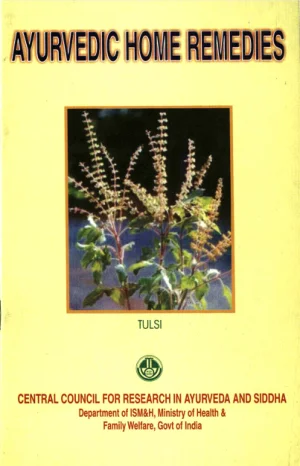
A pocket guide to 25 kitchen herbs and spices used in Ayurveda, such as ginger, turmeric, cumin, fenugreek, holy basil and honey, with simple remedies for everyday ailments.
Central Council for Research in Ayurveda and Siddha
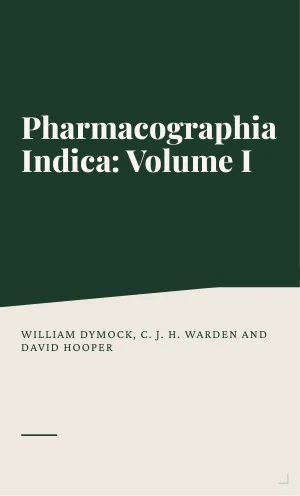
A classic history of the plant drugs of India, describing each one with its Sanskrit and vernacular names, its use in Ayurvedic and Unani medicine, botanical description, chemistry and trade.
A focused study of Triphala, the classic blend of amalaki, bibhitaki and haritaki: the botany and Ayurvedic profile of each fruit and the research behind its use for digestion, wound healing and antioxidant protection.
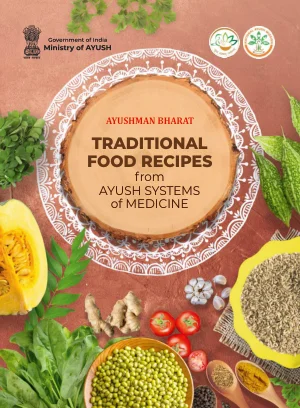
A collection of healthy traditional recipes based on Ayurvedic principles, from millet dishes and soups to herbal drinks, each with its ingredients, preparation and health benefits.
Explains weight gain as an excess of Kapha and lays out five simple commitments to lose weight the Ayurvedic way: morning yoga, regular meals, the right foods, better sleep and a supportive daily routine.
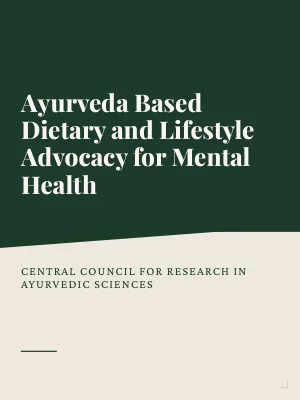
Ayurvedic guidance on how food, daily routine, sleep and conduct support mental health, with specific dietary dos and don'ts for anxiety, depression, insomnia and other psychiatric conditions.
Central Council for Research in Ayurvedic Sciences
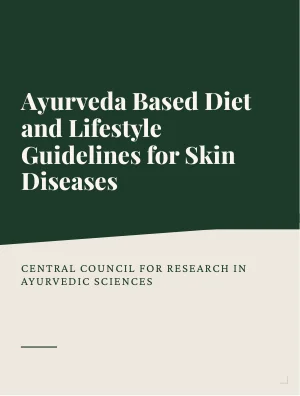
Practical Ayurvedic diet and lifestyle advice to prevent and manage skin problems such as acne, eczema, psoriasis and urticaria, including incompatible food combinations to avoid.
Central Council for Research in Ayurvedic Sciences
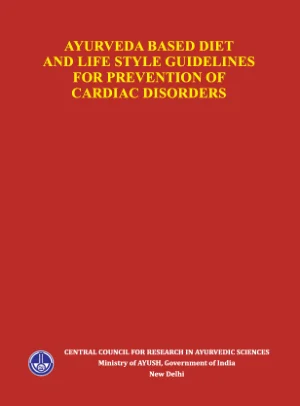
Heart-healthy eating and living according to Ayurveda: which foods, cooking methods, routines and habits help prevent hypertension, high cholesterol and heart disease.
Central Council for Research in Ayurvedic Sciences
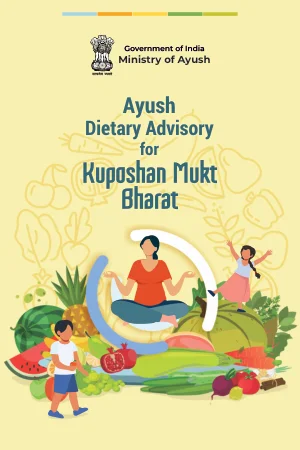
Ayurvedic nutrition advice for pregnant and nursing mothers, infants and young children, with simple recipes and food plans to prevent anaemia and malnutrition.
A short presentation on eating well at both ends of life: the sattvic, rajasic and tamasic food categories, what children and older adults should eat according to Ayurveda, and the habits to avoid.
Send this page to someone who’d love to read it. Everything is free, no sign-up needed.
Esc
Start typing to search...
Searching...
We couldn't find anything
Your book is downloading!
If InfoBooks helped you, you can support us in one click: add us as a preferred source on Google. You'll see more of our books when you search, and you'll help us keep sharing free reading with everyone.
Done! Your book is downloading
Know someone who’d enjoy reading it? Send them this page. It’s free, no sign-up needed, and you help us spread the love of reading.