Urban design books show how streets, squares and neighborhoods get their shape. Architects, planners and students use them to learn how to design cities for people.
This collection goes from the classics that invented modern town planning to today's open access research. You'll find design theory, city history, street manuals and public space toolkits.
Every book is free to read online or download in PDF. No sign-up, no fees and no download limits.
📚
Download every Urban Design book on this page
All the books on this page in one ZIP file, instead of downloading them one by one.
We will redirect you to accounts.google.com to complete sign-in.
Email and name only · We never send spam
Access unlocked
Download every Urban Design book on this page
All the books on this page in one ZIP file, instead of downloading them one by one.
Direct download · One ZIP file
Download started. Check your downloads folder for the ZIP.
Theory
Urban Design Theory Books
The ideas behind every good street and square start here. These urban design theory books cover the principles, methods and vocabulary of the field.
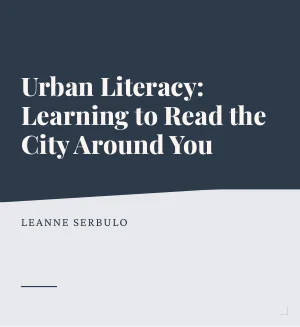
An open textbook that teaches you to read the city around you, from housing and transportation to public space, culture and the environment. Each chapter pairs clear explanations with field activities you can try on your own streets.
A classic guide that sets out the core objectives of urban design, such as character, continuity, ease of movement and legibility, and shows how to put them into practice. Richly illustrated with diagrams and built examples.
Commission for Architecture and the Built Environment
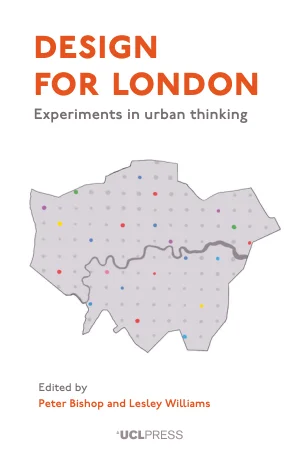
The inside story of the design unit that reshaped streets, squares and parks across London, told by the people who led it. A rare look at how urban design ideas turn into real projects.
A doctoral thesis on how urban design theory takes shape and how it guides everyday practice. Ideal for advanced students who want a deep look at the ideas and debates behind the field.
A clear academic paper that maps the stages of the urban design process and compares the main theoretical models behind it. A concise overview for students starting research in the field.
A short, friendly introduction to the key ideas of urban design, from human scale and walkability to mixed uses and inviting public space. A great first read before tackling longer books.
A research paper on how careful urban design can restore identity and community life in city centers, through street structure, public spaces and local character.
A compact overview of how urban planning evolved, from medieval towns and baroque capitals to industrial-era reforms and modern planning. A solid starting point for the history of urban form.
A classic study of how the Greeks and Romans laid out their towns, with plans of grid cities from Miletus to Roman Britain. Still a valued reference on the origins of urban planning.
A richly illustrated survey of town planning through the ages, from ancient and medieval cities to the garden city movement, with proposals for streets, squares and parks.
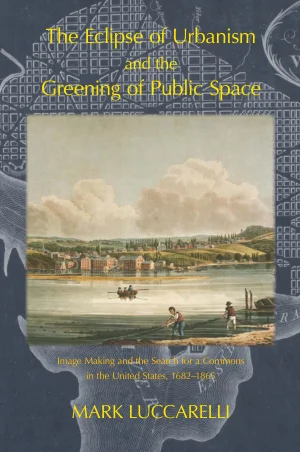
A cultural history of how ideas about cities and public space took shape in the United States from 1682 to 1865, from colonial town plans to the first great urban parks.
Written more than a century ago, these books still shape how we plan cities. Read Ebenezer Howard, Raymond Unwin and Patrick Geddes in their own words.
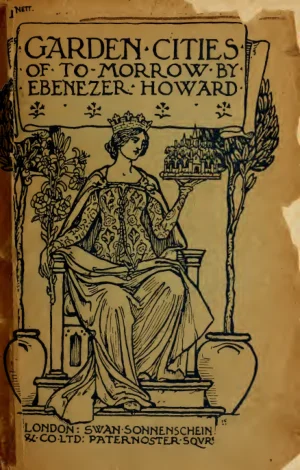
Ebenezer Howard's 1902 manifesto for the garden city, the book that launched modern town planning. Includes his famous diagrams of the Three Magnets and the Social City.
Raymond Unwin's landmark guide to the art of designing cities and suburbs, with hundreds of plans and drawings of streets, squares and housing layouts. The practical companion to the garden city idea.
Patrick Geddes's pioneering introduction to the town planning movement and the study of civics. It gave planners ideas that still guide them, like surveying a place before planning it.
The 1909 masterpiece of the City Beautiful movement: a complete plan for a great city, with lakefront parks, boulevards and a civic center. Famous for its color plates and sweeping bird’s-eye views.
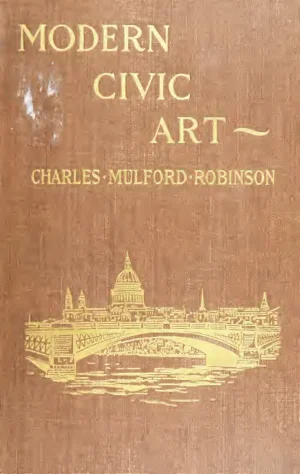
One of the founding texts of the City Beautiful movement, on how streets, plazas, parks and public art can make a city beautiful. A clear, practical vision that shaped city design in the early twentieth century.
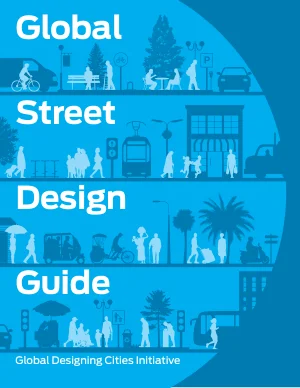
A comprehensive guide to designing streets for people, with detailed street types, dimensions and illustrations. Covers walking, cycling, transit and green infrastructure for cities of every size.
Practical guidance for designing residential streets that put people walking and cycling first. Explains layout, traffic speed, parking and junctions with clear diagrams and photos.
An open access book on the ordinary streets where most city life happens, and how to study and design them inclusively. Case studies from many cities combine mapping, fieldwork and design.
Agustina Martire, Birgit Hausleitner and Jane Clossick
A practical toolkit on how to plan, design and manage public spaces that are safe, inclusive and accessible. Includes principles, policy tools and case studies from cities worldwide.
A hands-on guide to placemaking, with principles for creating streets, squares and neighborhoods that people love. Packed with illustrated examples and practical checklists.
An open access study of privately owned public spaces and how cities and developers can share their design and management. Compares cases in Seoul and Berlin.
Good urban design can help cities use less energy and handle a changing climate. These open access books explore green, fair and climate-ready urban form.
An open access book on how to make cities more accessible, green and fair, with chapters on transport, green space, energy and urban planning. Draws on research from cities on several continents.
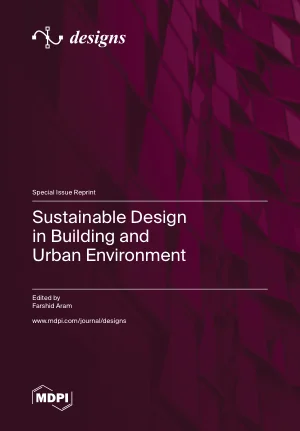
A collection of open access research on sustainable design at the building and city scale, from urban green space to energy-efficient urban form. Great for students looking for current studies.
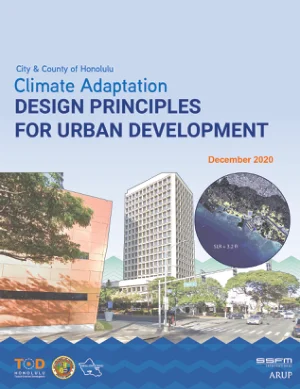
Design principles that help buildings, streets and open spaces cope with sea level rise, flooding and extreme heat. Clear illustrations show how urban development can adapt to a changing climate.
A concise guide to what makes a well-designed place, built around ten characteristics such as context, identity, movement and nature. Planners and designers use it to assess real projects.
Ministry of Housing, Communities and Local Government
A best practice manual built around twelve criteria for designing good residential neighborhoods, from context and connections to layout and public realm. Each criterion comes with illustrated examples.
Department of the Environment, Heritage and Local Government
Official guidelines on building height, waterfronts, view corridors, streetscape and air ventilation in a dense high-rise city. A useful model for designing compact urban areas.
A detailed design guide for new development in a historic inner-city borough, covering streets, building form, heritage and public realm. A clear example of local design policy in practice.
Seventeen built projects, from town centers and waterfronts to housing and a university campus, reviewed against core urban design qualities. Shows what works in real places and why.
The urban design chapter of a city general plan, with policies for neighborhood character, streets, public spaces and building design. A good example of how cities set their design goals.
A short illustrated chapter that explains the urban design principles behind a set of downtown design guidelines: active streets, human scale and a strong sense of place.
Send this page to someone who’d love to read it. Everything is free, no sign-up needed.
Esc
Start typing to search...
Searching...
We couldn't find anything
Your book is downloading!
If InfoBooks helped you, you can support us in one click: add us as a preferred source on Google. You'll see more of our books when you search, and you'll help us keep sharing free reading with everyone.
Done! Your book is downloading
Know someone who’d enjoy reading it? Send them this page. It’s free, no sign-up needed, and you help us spread the love of reading.