Looking for cloud computing books? Here you'll find free cloud computing books in PDF, from beginner guides and textbooks to books on cloud architecture, virtualization, security, and migration.
These books explain how the cloud really works, from data centers to containers and edge computing. You'll also find official guides for AWS, Microsoft Azure, and Google Cloud, plus lecture notes from universities.
Pick a topic and start reading today. Every book is free to read online or download as PDF, with no sign-up.
📚
Download every Cloud Computing book and textbook on this page
All the books on this page in one ZIP file, instead of downloading them one by one.
We will redirect you to accounts.google.com to complete sign-in.
Email and name only · We never send spam
Access unlocked
Download every Cloud Computing book and textbook on this page
All the books on this page in one ZIP file, instead of downloading them one by one.
Direct download · One ZIP file
Download started. Check your downloads folder for the ZIP.
Beginners
Introduction to Cloud Computing Books
Start here if you're new to cloud computing. These textbooks and lecture notes cover the basics, from service models to how data centers deliver computing on demand.
A 1,100-page compendium of the ITU standards that define cloud computing, from core concepts and service models to networking, security and day-to-day operation. A solid reference for anyone who wants the official vocabulary of the cloud.
A complete university textbook that walks you through cloud architecture, service and deployment models, big data, cloud file systems and security, one unit at a time. Each chapter ends with review questions to check what you learned.
The official Huawei ICT Academy textbook on cloud computing. It covers virtualization, compute, storage and networking in the cloud, plus containers and cloud-native basics, with clear diagrams on almost every page.
A short, step-by-step tutorial for beginners. It explains what the cloud is, how IaaS, PaaS and SaaS differ, and which benefits and risks come with each model.
University course notes that start with the vision of cloud computing and move on to its reference model, distributed systems, virtualization and parallel computing. Useful for students who want a structured study guide.
Complete lecture notes for an undergraduate cloud computing course. They cover distributed system models, virtualization, cloud migration and service models, in a compact format that is easy to review before an exam.
Short, plain-language articles by IBM cloud specialists that explain what the cloud is, how companies use it and what to watch out for when adopting it. A friendly starting point if you are not a technical reader.
A report from an Aspen Institute roundtable on how the cloud changes business, government and social life, with a focus on digital identity and privacy. A good read to understand the impact of the cloud beyond the technology.
Every cloud is built on a few core models: public, private, and hybrid clouds, plus IaaS, PaaS, and SaaS. These cloud computing architecture books show how those pieces fit together, from reference models to distributed systems.
The reference architecture that defines the five main actors of the cloud (consumer, provider, carrier, auditor and broker) and how they interact. Short and precise, it is the standard map most cloud courses build on.
A practical catalog of 24 design patterns for cloud applications, such as cache-aside, circuit breaker and sharding, each with the problem it solves and when to use it. It also includes guides on caching, data partitioning and autoscaling.
A collection of research chapters on cloud architecture and its applications, from resource scheduling and energy efficiency to mobile and IoT services. Best for readers who want to see where cloud research is heading.
A master's thesis that studies how to design applications for the cloud, comparing architectural approaches and decision criteria from real industry cases. Useful if you are planning a cloud-based system from scratch.
A hands-on thesis on building a private cloud with the Eucalyptus and Xen frameworks, including how to secure it. It shows, step by step, how private clouds differ from public ones in practice.
A clear thesis on cloud storage: how it works, the main architectures behind it and how popular services compare. A good introduction to the storage layer that supports every cloud service.
The three biggest cloud platforms each have their own tools and rules. These guides help you get started with Amazon Web Services, Microsoft Azure, and Google Cloud.
A tour of the whole AWS platform, from compute, storage and databases to machine learning, security and developer tools. Each service gets a short, clear explanation, so you can see what AWS offers at a glance.
The framework AWS architects use to review cloud workloads, built around six pillars: operational excellence, security, reliability, performance, cost and sustainability. It lists the questions and best practices for each one.
A full introduction to Microsoft Azure written by two Azure experts. It covers virtual machines, storage, networking, databases and app services, with step-by-step examples you can follow in the portal.
Study notes for the AZ-900 Azure Fundamentals exam. They summarize cloud concepts, core Azure services, security, pricing and support, following the official skills outline.
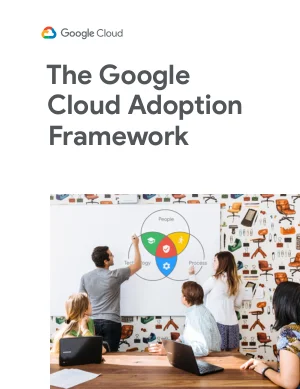
Google Cloud's framework for moving an organization to the cloud. It explains the four themes (learn, lead, scale and secure) and a maturity scale to measure where your team stands and what to do next.
The complete manual for Proxmox VE, an open-source platform that runs virtual machines and containers on the same server. It covers installation, clustering, storage, networking, backups and high availability.
A short introduction to virtualization: what virtual machines and hypervisors are, why they matter and how KVM works on Linux. Ideal if you want the basics before moving on to a full administration manual.
A clear guide to full virtualization and its security risks. It explains how hypervisors and guest operating systems work and gives practical recommendations to plan, deploy and maintain a secure virtual environment.
Karen Scarfone, Murugiah Souppaya and Paul Hoffman
Security recommendations for the hypervisors that power cloud data centers. It breaks the hypervisor into its core functions and explains how to protect each one, from VM isolation to memory and device management.
A complete guide to cloud-native apps from Microsoft. It explains containers, Kubernetes, microservices, communication patterns, resilience and monitoring, using a sample app you can download and explore.
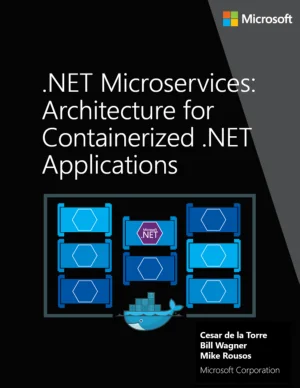
How to design and build microservices that run in Docker containers. It covers architecture, domain-driven design, communication between services and resilience, step by step with a reference application.
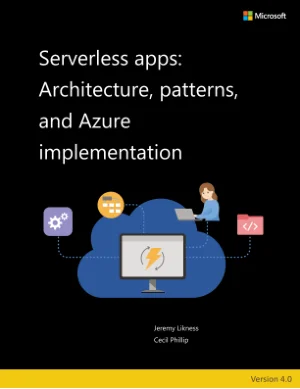
A practical guide to serverless computing. It explains when to choose functions over servers, the main architecture patterns and the trade-offs, with examples on Azure Functions.
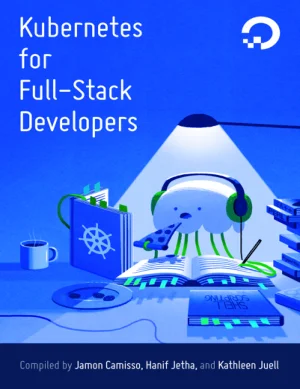
A hands-on Kubernetes book built from DigitalOcean's tutorials. You start with the core concepts and move on to creating a cluster, deploying apps, using Helm and setting up monitoring, one exercise at a time.
A guide to the security risks of containers, from images and registries to orchestrators and host operating systems. Each risk comes with concrete countermeasures you can apply.
Murugiah Souppaya, John Morello and Karen Scarfone
An open access book on the continuum between the cloud and connected devices. It explains fog and edge computing, their architectures and the challenges of security, privacy and resource management.
Theo Lynn, John G. Mooney, Brian Lee and Patricia Takako Endo
A market and ecosystem report on edge computing from the Linux Foundation. It explains what the edge is, where it is being deployed and how 5G, AI and IoT are pushing computing closer to users.
A white paper that maps the edge into clear categories, from the service provider edge to the user edge, and shows which open-source projects fit each one. A useful map to understand the edge landscape.
A technical white paper on multi-access edge computing (MEC) for the Internet of Things. It explains how MEC and the oneM2M standard work together to process IoT data at the network edge.
A short conceptual model of fog computing: what it is, how it differs from edge computing and how fog nodes connect devices to the cloud. Clear definitions in just a few pages.
An overview of the security and privacy challenges of public cloud services, from identity and access management to data protection and incident response. It ends with practical advice on outsourcing data and apps to the cloud.
The Cloud Security Alliance's core guide to cloud security, organized in 14 domains: governance, compliance, identity, data security, incident response and more. It is also the study guide for the CCSK certificate.
A research survey on cloud security by leading academics. It covers secure infrastructure, computation and storage, side-channel attacks and the open problems the field still has to solve.
Anrin Chakraborti, Reza Curtmola, Jonathan Katz, Jason Nieh, Ahmad-Reza Sadeghi, Radu Sion and Yinqian Zhang
A collection of chapters on cloud security concepts and practice, including data protection, threat models and secure cloud architectures. A good next step after the basics.
A practice guide to securing cloud services, updated in 2024. It covers the shared responsibility model, risk assessment, identity and access management and what to check before choosing a provider.
Government of the Hong Kong Special Administrative Region of the People's Republic of China
A master's thesis on how to protect data in the cloud, comparing encryption, access control and other security techniques. It includes interviews with practitioners about real security concerns.
Venkata Sravan Kumar Maddineni and Shivashanker Ragi
Essays by Google practitioners on the people side of cloud migration: building the team, changing processes and keeping momentum. A practical guide for leaders planning a move to the cloud.
AWS's framework for planning a cloud transformation. It explains the six perspectives (business, people, governance, platform, security and operations) and the capabilities each one needs.
A step-by-step roadmap to move applications to public cloud services: assess your apps, build the business case, pick a provider and plan the migration. Each step comes with checklists.
A report from a federation of large companies on how to plan a cloud migration strategy, covering costs, skills, governance and digital sovereignty. Based on the real experience of its members.
A concise technical guide to running a cloud migration program: choosing a strategy, moving structured and unstructured data and keeping workloads portable between clouds.
A short guide to migrating applications to the public cloud, with the main challenges, the benefits of hybrid and multi-cloud setups and how to modernize apps along the way.
A master's thesis on how organizations decide to move to the cloud, with a focus on the security risks seen from the customer's side. It combines a literature review with interviews.
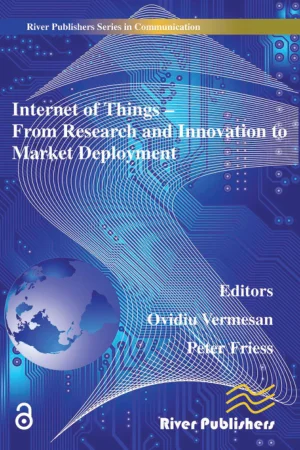
A broad book on the Internet of Things, from research and standards to real deployments in smart cities, health and industry. Written by leading European IoT researchers.
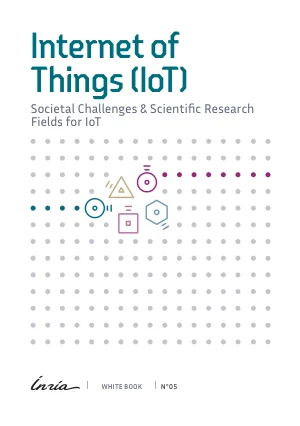
A white paper on the challenges the Internet of Things brings to society and the research fields it opens, from data and privacy to networks and energy.
Send this page to someone who’d love to read it. Everything is free, no sign-up needed.
Esc
Start typing to search...
Searching...
We couldn't find anything
Your book is downloading!
If InfoBooks helped you, you can support us in one click: add us as a preferred source on Google. You'll see more of our books when you search, and you'll help us keep sharing free reading with everyone.
Done! Your book is downloading
Know someone who’d enjoy reading it? Send them this page. It’s free, no sign-up needed, and you help us spread the love of reading.