Looking for Roman Empire books? We gathered 19 free Roman Empire books in PDF, covering its rise from the Republic, the age of the emperors, and the long fall of ancient Rome.
These books follow Rome from Augustus to the last western emperor. They draw on classics like Edward Gibbon's Decline and Fall and Suetonius's lives of the Caesars.
You will also find Julius Caesar's own account of his campaigns and Marcus Aurelius on how to live. Every book is free to read online or download as PDF.
📚
Download every Roman Empire book on this page
All the books on this page in one ZIP file, instead of downloading them one by one.
We will redirect you to accounts.google.com to complete sign-in.
Email and name only · We never send spam
Access unlocked
Download every Roman Empire book on this page
All the books on this page in one ZIP file, instead of downloading them one by one.
Direct download · One ZIP file
Download started. Check your downloads folder for the ZIP.
Overview
Books on the History of the Roman Empire
These Roman Empire books trace the whole story of ancient Rome, from its founding to its final years. Start here for a clear overview before diving into specific eras.
An illustrated introduction to ancient Rome, from Julius Caesar and Caesar Augustus to the Punic Wars and Cleopatra. Clear maps and images make it a strong starting point for new readers.
A thorough narrative history of Rome from its origins to 565 A.D. Boak follows the Republic, the empire, and the emperors in a classic textbook valued for its clarity and scope.
A scholarly collection on how Romans themselves wrote and read history. Ideal for advanced readers interested in Roman historiography and the culture of the imperial age.
A classic overview of Roman history from the founding of the city to the empire. Clear structure and timelines make it a dependable guide to the whole Roman story.
A landmark collection of essays on what Rome gave the world, covering law, language, art, science, and religion. Expert contributions edited into one authoritative volume.
Tenney Frank traces how Rome grew from a city-state into a Mediterranean power, examining the motives and consequences of Roman expansion during the Republic.
From Augustus to Marcus Aurelius, these books put a face on imperial power. Read the lives of the Caesars as told by Suetonius and other classic writers.
The ancient biographer's vivid lives of Rome's first twelve rulers, from Julius Caesar to Domitian. A primary source packed with the reforms, scandals, and personalities of imperial power.
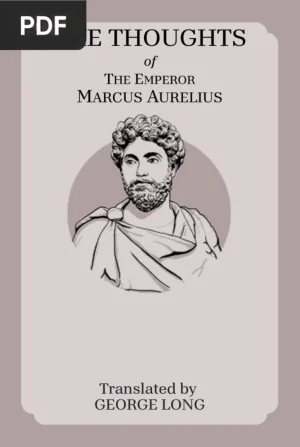
The private reflections of a Roman emperor and Stoic philosopher. Written on campaign, these notes on duty, mortality, and self-control remain among the most read works from antiquity.
Biographies of Vespasian, Titus, Domitian, Nerva, and Trajan, covering the rulers who rebuilt and expanded the empire after Nero. A detailed look at the men who ran Rome at its height.
The decline and fall of Rome has fascinated readers for centuries. Begin with Edward Gibbon, the book that defined the debate over why the empire ended.
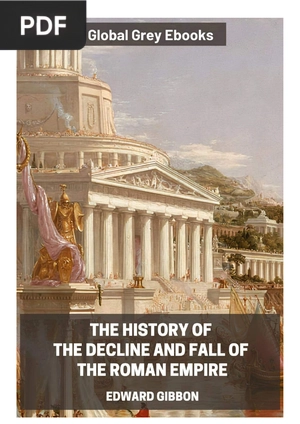
Edward Gibbon's sweeping classic traces Rome's collapse from the height of empire to the fall of the West. This complete edition gathers all volumes with the debate that shaped how we understand decline.
A focused study of why the Western Roman Empire fell, weighing military, economic, and political causes. A concise modern complement to the classic accounts of decline.
Explains what the fall of Rome left behind, from Byzantium to medieval Europe. A clear look at how Roman law, culture, and institutions shaped the world that followed.
Studies of everyday Roman life, from work and the streets to entertainment and belief. Abbott brings ordinary Romans into focus alongside the emperors and generals.
Essays on Roman social and political life, including the clubs, elections, and public life that shaped the Republic and empire. Accessible scholarship on how Rome governed itself.
A foundational account of Rome's economy through the end of the Republic, covering land, trade, labor, and money. A classic reference for understanding Roman wealth and power.
An economist examines how the early Roman Empire actually worked, from markets and wages to trade and growth. A data-driven look at prosperity under the Principate.
The most influential military manual of antiquity, covering recruitment, training, tactics, and discipline. Vegetius explains the methods that made the Roman army so effective.
Julius Caesar's firsthand account of his campaigns in Gaul, a gripping primary source on Roman warfare, strategy, and leadership from the general who wrote it.
That completes our collection of free Roman Empire books. From the rise of the Republic to the fall of the West, these titles cover the empire that shaped the ancient world.