Forensic medicine is where medical knowledge meets the courtroom. These free forensic medicine books cover forensic pathology, toxicology, clinical exams and forensic anthropology.
Here you'll find full textbooks, official manuals and classic works used by medical students, residents, forensic nurses and coroners. Many come from the UNODC and the World Health Organization.
Pick a section, download the PDF and start reading today. No sign-up and no fees, just the books.
📚
Download every Forensic Medicine book on this page
All the books on this page in one ZIP file, instead of downloading them one by one.
We will redirect you to accounts.google.com to complete sign-in.
Email and name only · We never send spam
Access unlocked
Download every Forensic Medicine book on this page
All the books on this page in one ZIP file, instead of downloading them one by one.
Direct download · One ZIP file
Download started. Check your downloads folder for the ZIP.
Textbooks
Forensic Medicine Textbooks
These forensic medicine textbooks and lecture notes cover the whole field, from postmortem changes to injuries and poisons. Two classics on medical jurisprudence show how the subject was taught a century ago.
A complete forensic medicine textbook written for medical students, from thanatology and postmortem changes to injuries, asphyxia, toxicology and medical law. A clear, exam-friendly reference updated in 2024.
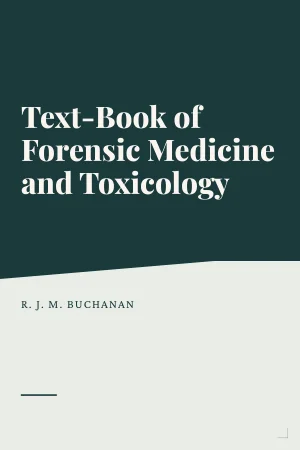
A classic textbook for medical students that covers death, wounds, identification, sexual offences, insanity and the main poisons. A historical reference that shows how forensic medicine and toxicology were taught in the early 20th century.
Concise university handout on forensic medicine for medical students: death and its causes, postmortem changes, wounds, asphyxia, poisoning and identification. Short chapters that make a fast review before exams.
Student lecture notes that summarize the core of forensic medicine: principles of practice, medical ethics, death, identification, injuries, asphyxia, drowning and toxicology. Handy as a quick revision guide.
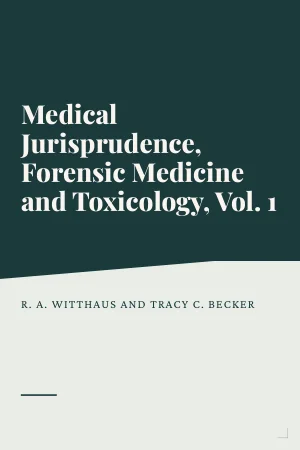
The first volume of a landmark reference on medical jurisprudence, written by a chemist and a law professor. It covers the legal duties of physicians, malpractice, expert testimony and medical evidence in court.
A collection of recent research in forensic and legal medicine: age estimation from teeth, forensic DNA phenotyping, risk factors of unnatural deaths and sexual cybercrime. Useful for readers who want to see where the field is heading.
A step-by-step autopsy manual for forensic pathologists, from external examination and dissection to sampling, documentation and the final report. Developed with the United Nations Office on Drugs and Crime.
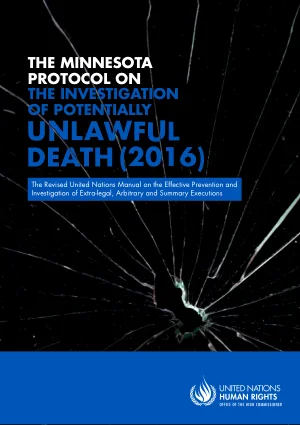
The United Nations standard for investigating suspicious deaths, with detailed guidelines on crime scene work, autopsy, identification of remains and interviews. A key reference for forensic pathologists and human rights investigators.
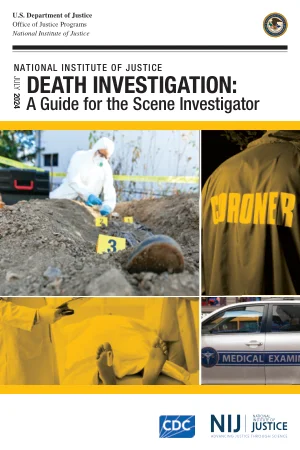
A practical guide for death scene investigators: arriving at the scene, documenting and examining the body, establishing identity and time of death, and working with the medical examiner. Updated 2024 edition.
The professional standards that define when a forensic autopsy is required and how it should be performed, documented and reported. A short reference used by medical examiners and pathology residents.
How to determine and certify cause and manner of death, with worked examples of death certificates for injuries, poisonings, natural deaths and fetal deaths. Written for medical examiners and coroners.
A detailed protocol for the medical forensic exam of adult and adolescent sexual assault patients: consent, history, evidence collection, documentation and follow-up care. Second edition for health care and justice professionals.
The pediatric companion protocol for medical forensic exams of children who may have been sexually abused, covering interviews, physical exams, evidence collection and coordination with child protection teams.
World Health Organization guidelines for health workers who care for survivors of sexual violence: the forensic exam, injury documentation, specimen collection, treatment and court testimony. Includes sample forms and checklists.
The international manual for documenting torture and ill-treatment, with chapters on physical and psychological evidence, forensic examination of survivors and medical reports for court. Updated 2022 edition.
A short toolkit on what medico-legal evidence can and cannot prove in sexual violence cases, and how health and justice services can work together to collect it well. Produced by the World Health Organization and UNODC.
A hands-on laboratory manual for detecting poisons and drugs in blood, urine and stomach contents with simple tests, plus monographs on more than 100 toxic substances. Published by the World Health Organization.
Laboratory guidelines for detecting the drugs used to facilitate sexual assault and other crimes: which samples to collect, detection windows, analytical methods and how to interpret the results.
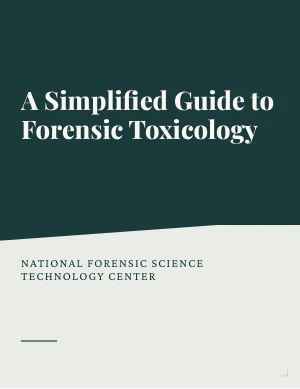
A plain-language introduction to forensic toxicology: what toxicologists test for, which samples they use, how the analysis works and what the results can tell investigators. A good first read before the technical manuals.
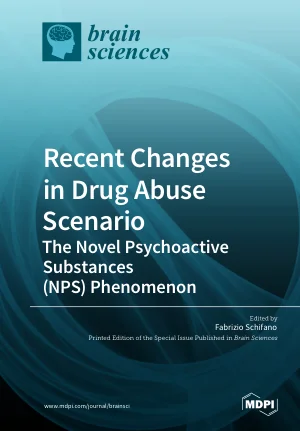
Research on new psychoactive substances such as synthetic cannabinoids, cathinones and novel opioids: their effects, toxicity, fatal cases and detection. Useful for toxicologists who face drugs that standard tests miss.
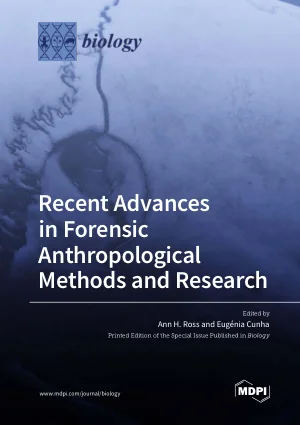
Current research in forensic anthropology: estimating age, sex and stature from bones, trauma analysis, postmortem interval and identification of unknown remains. Richly illustrated with charts and skeletal images.
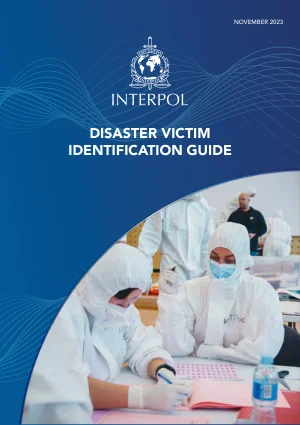
The international procedure for identifying victims of mass disasters, from body recovery to fingerprints, forensic odontology and DNA, and the reconciliation of postmortem and antemortem data. 2023 edition.
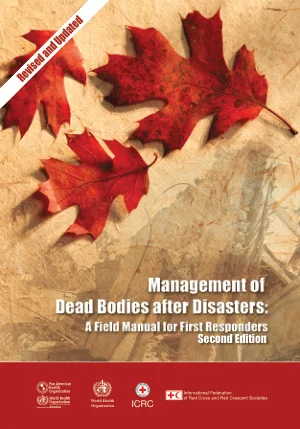
A field manual on recovering, storing and identifying the dead after disasters, written for first responders working before forensic specialists arrive. Includes forms, checklists and photo guidance.
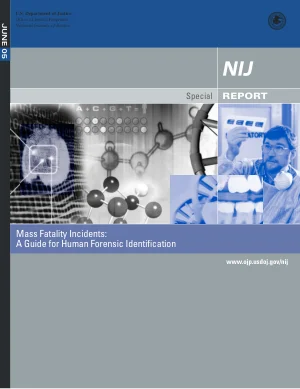
How medical examiners and forensic teams identify victims after mass fatality events, covering scene management, morgue operations, forensic anthropology, odontology, fingerprints and DNA.
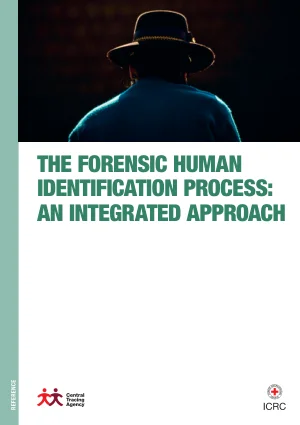
Explains how forensic anthropology, odontology, fingerprints and DNA work together to identify human remains, and why no single method is enough. A concise guide from the International Committee of the Red Cross.
Send this page to someone who’d love to read it. Everything is free, no sign-up needed.
Esc
Start typing to search...
Searching...
We couldn't find anything
Your book is downloading!
If InfoBooks helped you, you can support us in one click: add us as a preferred source on Google. You'll see more of our books when you search, and you'll help us keep sharing free reading with everyone.
Done! Your book is downloading
Know someone who’d enjoy reading it? Send them this page. It’s free, no sign-up needed, and you help us spread the love of reading.