Looking for modern philosophy books you can read for free? Modern philosophy runs from Descartes in the 1600s to Nietzsche in the late 1800s, the age of rationalism, empiricism and the Enlightenment.
Here you'll find the original texts of that period and the books that explain it. Read Descartes on doubt, Hume on human nature, Kant on reason and morality, and Nietzsche on what's left when old certainties fall.
Start with the era that interests you, or follow the story all the way to contemporary philosophy. Every book is free to read online or download as a PDF.
📚
Download every book on this page in one click
Sign in with Google and grab them all without going one by one.
We will redirect you to accounts.google.com to complete sign-in.
Email and name only · We never send spam
Access unlocked
Download every book on this page in one click
Get them all together, without going one by one.
Direct download · One ZIP file
Download started. Check your downloads folder for the ZIP.
Early Modern
Early Modern Philosophy Texts
These early modern philosophy texts are where it all begins, from Descartes doubting everything to Leibniz, Berkeley and Hume testing what reason and the senses can know. Read them in order and watch Kant try to settle the debate.
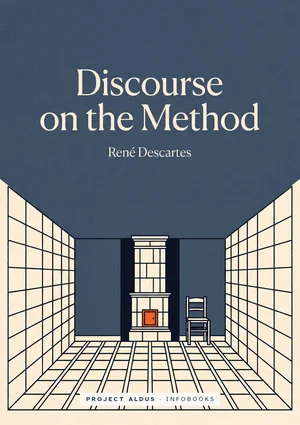
Descartes decides to doubt everything and rebuild knowledge from one certainty: I think, therefore I am. Our own Project Aldus edition of the short, personal book that opened modern philosophy.
Six meditations in which Descartes doubts the senses, finds the thinking self, and tries to prove God and the reality of the outside world. The text every course on modern philosophy starts with.
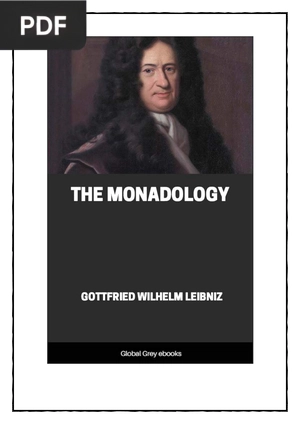
Leibniz sums up his whole system in 90 short numbered paragraphs: a universe made of simple substances, each mirroring all the rest. A quick read and the clearest door into rationalist metaphysics.
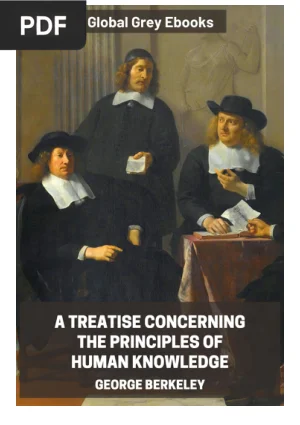
Berkeley argues that to exist is to be perceived and that matter, apart from minds, is an empty idea. A bold and surprisingly readable challenge to common sense.
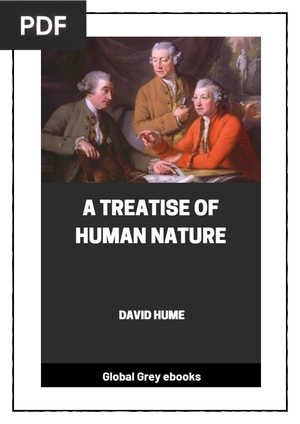
Hume's first and most ambitious work, which traces all our ideas back to experience and questions causation, the self and the role of reason in morals. The high point of British empiricism.
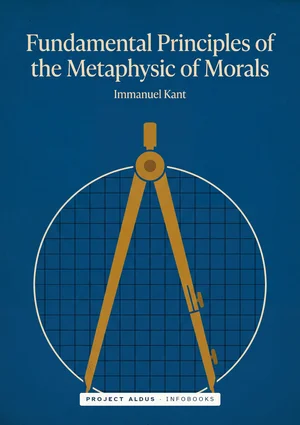
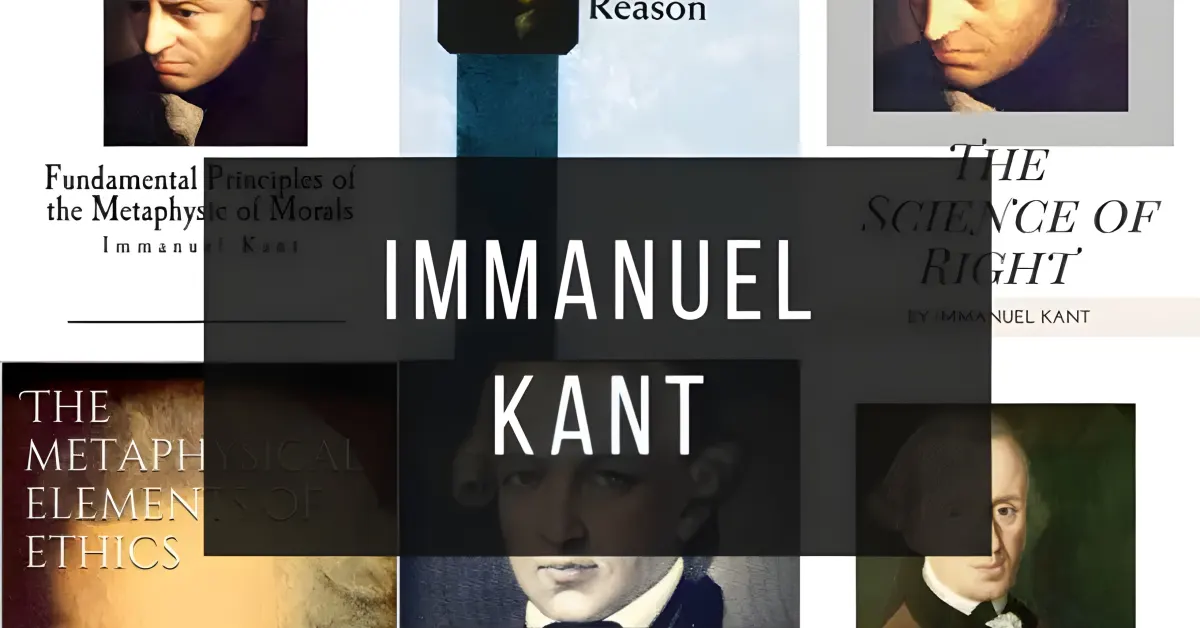
Kant argues that reason alone, not feelings or consequences, tells us what we ought to do, and introduces the categorical imperative. Our own Project Aldus edition, short enough to read in a sitting.
After Kant, philosophy took bold new paths: Hegel turned history into a system, Schopenhauer answered with pessimism, and Nietzsche questioned morality itself. These 19th century philosophy books also include Fichte and Feuerbach, who shaped German idealism and the critique of religion.
Fichte moves from doubt to knowledge to faith in three parts, asking whether we are free or just links in a chain of causes. A clear first step into German idealism after Kant.
Hegel reads world history as the story of freedom becoming conscious of itself, from the ancient East to modern Europe. The most accessible of his lectures and a key to his whole system.
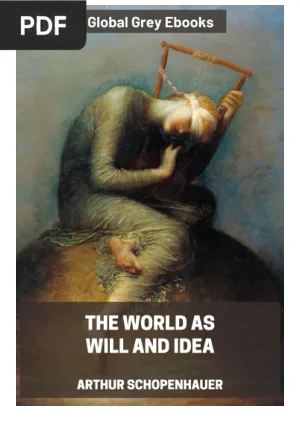
Schopenhauer's masterpiece, all three volumes in one file: the world is our idea, and behind it lies a blind, restless will. The source of his pessimism and of his influence on Nietzsche and Freud.
Feuerbach argues that God is a projection of the best qualities of human nature, so theology is really anthropology. The book that shaped Marx and the critique of religion, in George Eliot's translation.
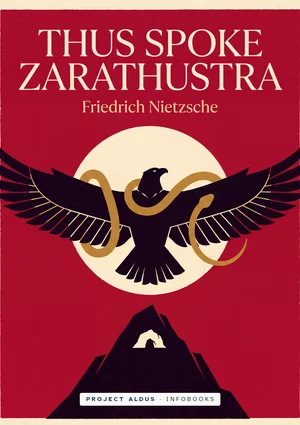
The prophet Zarathustra comes down from the mountains to announce the death of God and the coming of the overman. Our own Project Aldus edition of Nietzsche's most famous and most poetic book.
Nietzsche attacks the hidden prejudices of philosophers and the morality of good and evil, and sketches the free spirits of the future. The best prose introduction to his mature thought.
These contemporary philosophy books show how 20th century thinkers turned to language, logic and lived experience. Russell and Wittgenstein asked what we can meaningfully say, while Bergson and Dewey tied philosophy back to life and action.
Bergson argues that life is driven by a creative impulse, the élan vital, that mechanism and pure intellect cannot grasp. The book that made him the most famous philosopher of his day.
Ten essays in which Russell defends scientific method in philosophy, from A Free Man's Worship to the relation of sense data to physics. A lively entry into early analytic philosophy.
Wittgenstein's numbered propositions on the limits of language, logic and the world, in the 1922 Ogden translation with Russell's introduction. It ends: whereof one cannot speak, thereof one must be silent.
Want the big picture before tackling the originals? These histories of modern philosophy, including an open textbook for a first course, trace the path from Descartes to the 20th century.
An open textbook that pairs key excerpts from Descartes, Spinoza, Locke, Berkeley, Hume and Kant with clear introductions. Ideal for a first course in modern philosophy.
A college history written for newcomers, from the Renaissance to the 19th century, with summaries, outlines and reading lists. A friendly map before you tackle the originals.
A thorough history of modern philosophy from Nicholas of Cusa to the late 19th century, philosopher by philosopher. A classic reference for anyone who wants the full picture.
A study of French philosophy from Comte to Bergson, covering positivism, ideas of progress, freedom and science. A useful bridge between the 19th and 20th centuries.
Modern philosophy is still the ground we stand on when we argue about knowledge, freedom or the mind. Pick one text, read it slowly, and you'll see why these questions never went away.
Want to explore other periods and schools? Browse our full collection of philosophy books.
Send this page to someone who’d love to read it. Everything is free, no sign-up needed.
Esc
Start typing to search...
Searching...
We couldn't find anything
Your book is downloading!
If InfoBooks helped you, you can support us in one click: add us as a preferred source on Google. You'll see more of our books when you search, and you'll help us keep sharing free reading with everyone.
Done! Your book is downloading
Know someone who’d enjoy reading it? Send them this page. It’s free, no sign-up needed, and you help us spread the love of reading.