Nuclear energy makes about a tenth of the world's electricity, and it all starts with splitting a uranium atom. Here you'll find free nuclear energy books in PDF, from beginner guides on atomic energy to reports by the IAEA and the OECD Nuclear Energy Agency.
These books explain how reactors work, where atomic power came from and where it's heading. You'll read about safety after Chernobyl and Fukushima, radioactive waste, climate change and the race for fusion.
New to the topic? Start with a short guide, then jump to the section you care about most. Every book is free to download, with no sign-up.
📚
Download every Nuclear Energy book on this page
All the books on this page in one ZIP file, instead of downloading them one by one.
We will redirect you to accounts.google.com to complete sign-in.
Email and name only · We never send spam
Access unlocked
Download every Nuclear Energy book on this page
All the books on this page in one ZIP file, instead of downloading them one by one.
Direct download · One ZIP file
Download started. Check your downloads folder for the ZIP.
Beginners
Nuclear Energy Books for Beginners
Start here to understand fission without the math. These nuclear energy guides come from the U.S. Department of Energy and the NRC, plus classic booklets on uranium and thorium fuel.
A short, plain-language guide to how nuclear power plants turn the heat of splitting atoms into electricity. It also explains reactor types, radiation and how low-level radioactive waste is handled.
Quick facts on how nuclear energy works, how much clean electricity it supplies and what comes next, from advanced reactors to used fuel. A colorful magazine-style guide that you can read in one sitting.
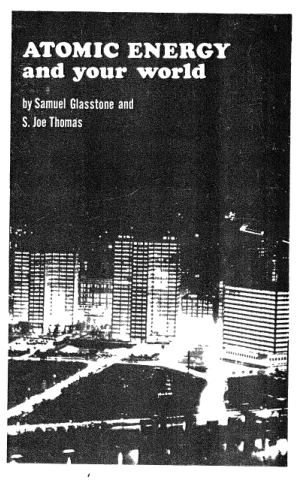
A friendly introduction to atomic energy and how it touches daily life, from power plants to medicine and industry. Written by Samuel Glasstone, one of the great science explainers of the atomic age.
Explains step by step how a nuclear power plant makes electricity, with clear diagrams of boiling-water and pressurized-water reactors. A classic Understanding the Atom booklet, ideal for readers new to the subject.
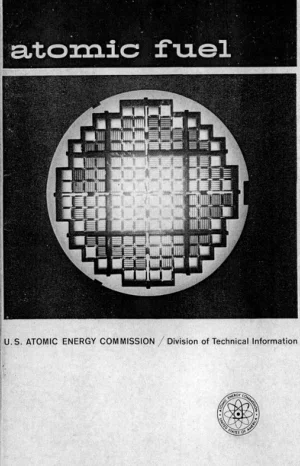
Follows uranium from the mine to the reactor: mining, milling, enrichment and fuel fabrication. A short, illustrated booklet that makes the nuclear fuel cycle easy to understand.
Why thorium could become the third nuclear fuel alongside uranium and plutonium. Covers how thorium breeds uranium 233, molten salt reactors and early experiments, with many photos.
A clear briefing on how nuclear power works today, its costs and its place among low-carbon energy sources. It also covers small modular reactors and the questions that still divide experts.
A compact overview of fission energy written for non-experts by a nuclear engineering professor. It walks through how reactors work, the safety lessons after Fukushima and the next generation of designs.
Classroom material from MIT that explains fission, how a power plant runs and the main arguments for and against nuclear energy. Includes questions and activities that make it easy to use in class.
A handy glossary that defines the key terms of nuclear energy, from fission and isotopes to reactor parts and radiation units. Keep it at hand while you read the other books on this page.
Can nuclear power help the world reach net zero? These reports from the IAEA, the IEA, MIT and the OECD look at emissions, costs and the policies behind new reactors.
How nuclear power can help the world reach net zero emissions, from keeping existing reactors running to producing clean hydrogen. A well-illustrated IAEA report full of charts and data.
A special issue of the IAEA Bulletin on the role of nuclear power in a low-carbon energy system. Short articles cover new materials, smaller amounts of waste and how reactors can support smart grids.
The International Energy Agency examines what happens to emissions, costs and energy security if nuclear power declines. A data-rich report on why keeping reactors running matters for clean energy.
An interdisciplinary MIT study on the role nuclear energy can play in cutting carbon emissions. It analyzes costs, advanced reactor designs and the policies needed to build new plants faster and cheaper.
Looks at how much nuclear power could contribute to a low-carbon future and what it would take: investment, uranium supply, industrial capacity and public acceptance.
A broad reference on the state of nuclear energy: resources, economics, safety, waste, non-proliferation and its contribution to sustainable development. A good starting point for understanding the policy debate.
Compares nuclear power with other energy sources across emissions, health risks, accidents, costs and security of supply. Packed with data from full energy chain analysis to support informed decisions.
A classic booklet on the environmental effects of nuclear power plants, from heat released into rivers to radioactive emissions, and how they compare with fossil fuel plants.
From the first reactor in Chicago to Atoms for Peace, this is the story of atomic energy. Many of these books were published by the U.S. Atomic Energy Commission, including Isaac Asimov's three-volume history.
Isaac Asimov tells the story of nuclear energy from the first ideas about atoms to the discovery of electricity and energy. The first of three volumes, written with his trademark clarity.
The second volume of Asimov's history of nuclear energy covers mass and energy, the discovery of the neutron and the structure of the nucleus. Engaging science history for any curious reader.
The final volume of Asimov's story of nuclear energy: the discovery of fission, the first reactors, fusion and what lies beyond. A gripping close to a classic trilogy.
The story of atomic energy from the first atomic theories to nuclear reactors, told for general readers. A clear, illustrated history that answers the question of where nuclear power came from.
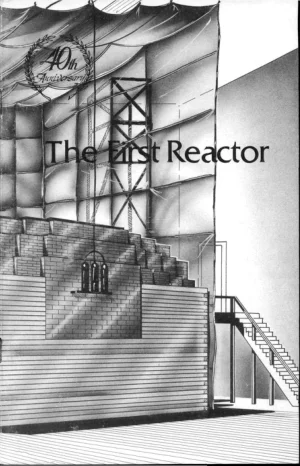
How Enrico Fermi and his team built the first nuclear reactor under a stadium in Chicago in 1942. Includes eyewitness accounts and photos of the experiment that started the atomic age.
Short biographies of the scientists who unlocked the atom, from Rutherford and Bohr to Fermi and Meitner. A lively way to meet the people behind nuclear energy.
The official history of the Atomic Energy Commission under Eisenhower, from the Atoms for Peace speech to the birth of civilian nuclear power and the arms race. A detailed, authoritative account.
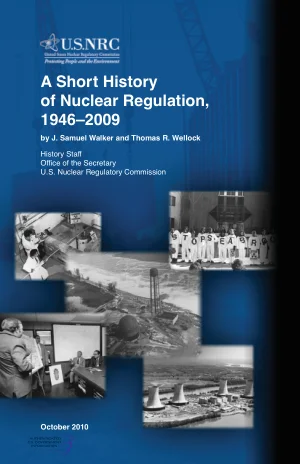
How nuclear safety rules grew from the first atomic energy law to the modern regulator, including the lessons of Three Mile Island. A concise and readable history by official historians.
Learn what went wrong at Three Mile Island, Chernobyl and Fukushima, and what changed after each accident. These official reports come from the IAEA, the OECD Nuclear Energy Agency and the NRC.
Explains how nuclear power plants are designed to stay safe, from the physics of reactor control to containment buildings and emergency systems. A clear booklet for readers without a technical background.
What happened at Chernobyl in 1986 and what it meant for health and the environment. This updated report reviews the release of radioactivity, the doses received and the medical effects observed.
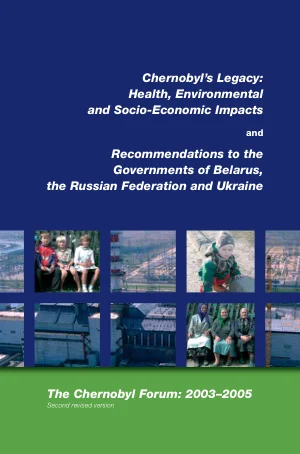
The joint findings of eight UN agencies on the health, environmental and social impacts of the Chernobyl accident, with practical recommendations. Short and clear despite the scale of the topic.
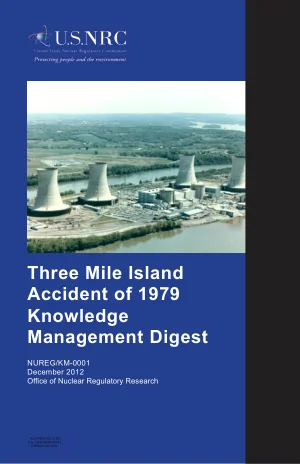
A short illustrated summary of the Three Mile Island accident: what failed, how the plant was brought under control and what changed in nuclear safety afterwards.
The IAEA's main report on the 2011 Fukushima Daiichi accident. It explains the sequence of events, the emergency response, the radiological consequences and the lessons for nuclear safety.
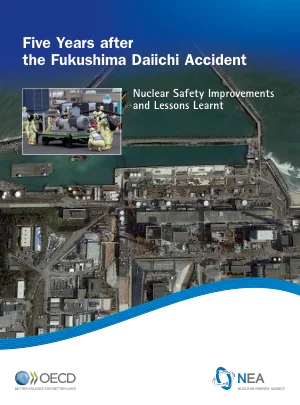
Reviews the safety improvements made at nuclear plants around the world after Fukushima and the lessons still being learnt, from flood protection to emergency planning.
A classic booklet on where radioactive wastes come from and how they are treated, stored and disposed of. Clear explanations with photos and diagrams for general readers.
Puts radioactive waste in context by comparing it with other hazardous wastes. Explains volumes, risks and the main options for long-term disposal in plain terms.
The latest global picture of spent nuclear fuel and radioactive waste: how much exists, how it is stored and how countries plan to dispose of it. Includes deep geological repositories and future trends.
Explains how countries count and classify their spent fuel and radioactive waste, and compares their management strategies using a common method. Useful for students of waste policy.
Fusion powers the Sun, and scientists have been chasing it on Earth for 70 years. These books cover the physics, the tokamaks and the roadmaps to fusion electricity.
Samuel Glasstone explains the physics of fusion, why it is so hard to achieve on Earth and the machines scientists built to tame it, from pinches to stellarators and tokamaks.
The IAEA's yearly overview of fusion energy worldwide: public programs, private companies, ITER and the steps still needed before fusion power reaches the grid.
A recent roadmap that sets out how to move fusion from experiments to commercial power plants, including the key technologies and milestones for the coming decade.
A long-range research plan to deliver fusion energy and advance plasma science, prepared by leading fusion scientists. It sets priorities for materials, fusion machines and plasma physics.
The European plan to make fusion electricity a reality, from ITER to the DEMO power plant. Explains the main scientific and engineering challenges and how they will be addressed.
Once you finish these nuclear energy books, you'll be ready to go deeper. Our nuclear engineering books cover reactor design, and our nuclear physics books explain the atomic nucleus itself.
Send this page to someone who’d love to read it. Everything is free, no sign-up needed.
Esc
Start typing to search...
Searching...
We couldn't find anything
Your book is downloading!
If InfoBooks helped you, you can support us in one click: add us as a preferred source on Google. You'll see more of our books when you search, and you'll help us keep sharing free reading with everyone.
Done! Your book is downloading
Know someone who’d enjoy reading it? Send them this page. It’s free, no sign-up needed, and you help us spread the love of reading.