Loneliness is one of the most common human experiences, and one of the least talked about. These free loneliness books in PDF explain why it happens and how it affects your health.
You'll find the U.S. Surgeon General's advisory on the loneliness epidemic and the World Health Organization's report on social connection. There are also studies on social isolation in older adults and guides on how to be alone without feeling lonely.
Start with the section that matches your situation. Every book is free to read online or download, with no sign-up needed.
📚
Download every Loneliness book on this page
All the books on this page in one ZIP file, instead of downloading them one by one.
We will redirect you to accounts.google.com to complete sign-in.
Email and name only · We never send spam
Access unlocked
Download every Loneliness book on this page
All the books on this page in one ZIP file, instead of downloading them one by one.
Direct download · One ZIP file
Download started. Check your downloads folder for the ZIP.
Psychology
Books on the Psychology of Loneliness
Loneliness isn't the same as being alone, and these books explain why. They build on research by John T. Cacioppo and show how loneliness affects mental health at every age.
Why loneliness hurts and what actually helps, explained through the latest psychological research. A clear, well-designed starting point on how loneliness works in the mind and how to break the cycle.
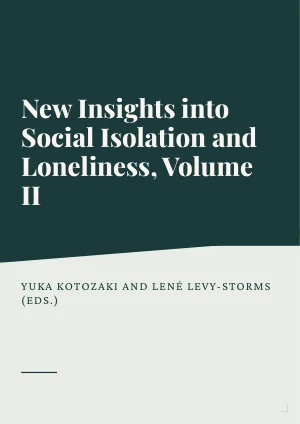
A 2025 collection of peer-reviewed studies on social isolation and loneliness across ages and countries, from measurement to interventions. Ideal for students and researchers who want current evidence.
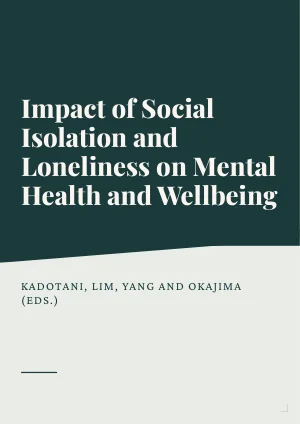
Research on how loneliness and isolation affect depression, anxiety, sleep, and overall wellbeing. Brings together studies from psychology, psychiatry, and public health in one volume.
Hiroshi Kadotani, Michelle H. Lim, Keming Yang, Isa Okajima (eds.)
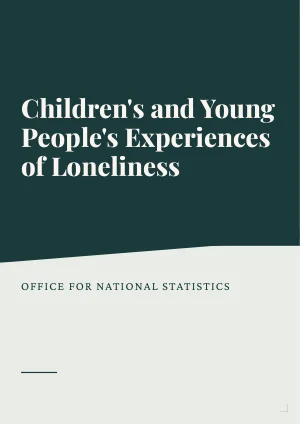
What loneliness looks like for children and teenagers, in their own words, with survey data on who feels lonely and why. Ends with the young people's own ideas for overcoming it.
A short briefing on loneliness among 10 to 17 year olds and how it connects to wellbeing, family income, and relationships. Useful for parents, teachers, and anyone working with young people.
A focused briefing on the link between loneliness and suicide risk in people aged 16 to 24. Explains the warning signs and what schools, services, and families can do.
Loneliness is now treated as a public health issue, with risks comparable to smoking. These official reports come from U.S. Surgeon General Vivek Murthy, the World Health Organization, and the UK government.
The 2023 advisory by Surgeon General Vivek Murthy that put the loneliness epidemic on the public agenda. Explains the health risks of social disconnection and a national strategy to rebuild social connection.
The 2025 report of the WHO Commission on Social Connection, with global data showing that loneliness affects about one in six people. Covers health impacts, causes, and solutions for governments and communities.
The first national strategy on loneliness, published when the UK appointed a minister for loneliness. Shows how health services, workplaces, and communities can work together to reduce it.
A local look at who feels lonely, from older people to young people and those with addictions, and which community responses work. A concise read on loneliness as a modern public health issue.
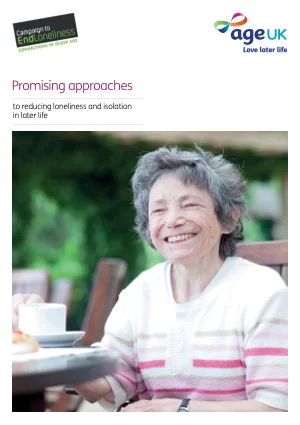
A practical guide for councils and community leaders on spotting and reducing loneliness at a local level. Includes case studies and a framework for action created with Age UK and the Campaign to End Loneliness.
These practical guides and workbooks on overcoming loneliness are for the days when you feel alone. Each one is short and comes with exercises you can start today.
A short, friendly booklet on learning to enjoy your own company. Shows the difference between being alone and feeling lonely, with practical ideas to turn time alone into something good.
A complete workbook with exercises to understand your loneliness, its roots, and the thoughts that keep it going. Written by specialists at HelsinkiMissio to work through at your own pace.
A self-exploration workbook by two psychologists on the difference between solitude and loneliness. Includes reflections, mindfulness exercises, and coping strategies you can use right away.
A colorful workbook with simple tools to reconnect with others and with yourself. Short chapters and exercises make it easy to start, especially if you feel stuck.
Loneliness in older adults is linked to heart disease and dementia. These guides from the National Institute on Aging, the WHO, and Age UK show how to rebuild connection.
A clear guide from the National Institute on Aging on how loneliness affects health in later life and how to tell if you are at risk. Ends with simple steps to stay connected.
The most complete review of the evidence on isolation in later life, from its links to dementia and heart disease to what doctors and nurses can do. Essential for health professionals.
National Academies of Sciences, Engineering, and Medicine
A brief from the World Health Organization summarizing the scale, health effects, and proven solutions for loneliness in older age. A quick, authoritative overview in 20 pages.
A practical guide written with older people about what helped them feel less lonely. Covers small first steps, local services, and how to talk about it with others.
A framework of services and community ideas that work to reduce loneliness in older people, with real examples. A useful guide for charities, councils, and care workers.
Being alone can also be a choice. These books, from Thoreau's Walden to modern research, explore the benefits of solitude and where it turns into loneliness.
Thoreau's account of two years living alone in a cabin by Walden Pond, including his famous chapter on solitude. The classic case for choosing time alone to live more deliberately.
An 18th century physician's study of how solitude shapes the mind, the heart, and the passions. One of the first books to weigh the benefits and dangers of being alone.
Twelve essays by Emerson that open with the tension between our need for company and our need to be alone. Gentle, wise reading on finding balance between the two.
Essays on hermits, recluses, and chosen isolation in American culture, from 18th century writing to social media. Explores when withdrawing from society is a burden and when it is freedom.
Recent research on why some children and teens spend more time alone, from shyness to preference, and how it affects their development. Separates healthy solitude from harmful withdrawal.
Junsheng Liu, Louis A. Schmidt, Xuechen Ding (eds.)
Send this page to someone who’d love to read it. Everything is free, no sign-up needed.
Esc
Start typing to search...
Searching...
We couldn't find anything
Your book is downloading!
If InfoBooks helped you, you can support us in one click: add us as a preferred source on Google. You'll see more of our books when you search, and you'll help us keep sharing free reading with everyone.
Done! Your book is downloading
Know someone who’d enjoy reading it? Send them this page. It’s free, no sign-up needed, and you help us spread the love of reading.