Earthquakes and Other Earth Movements
John Milne
The classic by the father of modern seismology, who studied quakes in Japan in the 1880s. Milne covers what earthquakes are, how to measure them, their causes and the slow tremors and pulsations of the ground.
Loading the book...
Keep reading
-
Next in this topic
Controversies in the Earth SciencesA Penn State course built around real scientific debates: why continental drift took decades to be accepted, whether the New Madrid zone can produce a big quake and if the Atlantic needs a tsunami warning system.
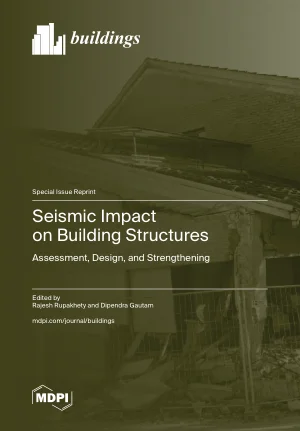
Verified PDF · Secure download - Seismic Impact on Building Structures: Assessment, Design, and Strengthening
Studies on how to assess earthquake damage, design safer buildings and strengthen existing ones, drawing on lessons from recent quakes around the world.
Verified PDF · Secure download - Tsunami Glossary
The official reference of tsunami terms, from run-up and inundation to warning center vocabulary, with diagrams, photos and a list of major historical tsunamis.
Verified PDF · Secure download - Seismology
Milne's own textbook from 1898, written as seismographs began to record quakes from across the globe. It explains the instruments, how vibrations travel through the Earth and what the records reveal.
Verified PDF · Secure download - Earthquakes in the Light of the New Seismology
A 1904 classic that brought the new science of seismology to general readers: how earthquake waves travel, how the first seismographs worked and what great quakes like Charleston 1886 revealed about the Earth.
Verified PDF · Secure download
Explore more Physics
- Electronics
- Solar Energy
- Quantum Physics
- General Physics
- Thermodynamics
- Electricity
- Electrical Circuits
- Astrophysics